Why NASA Mars 2026 Discovery Changes Everything We Know About Red Planet Life
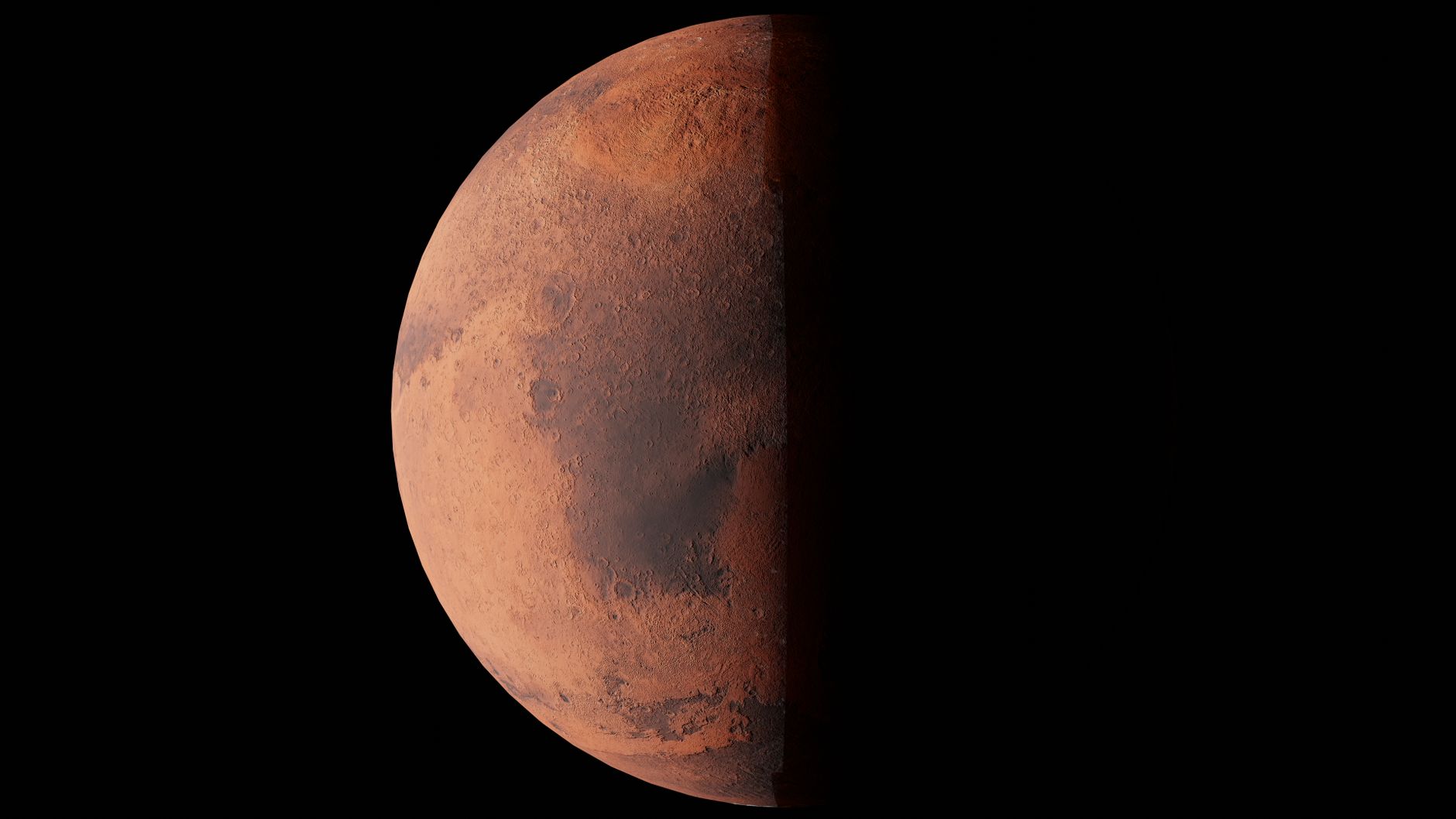
NASA Mars 2026 Discovery Entity Overview
| Mission Name: | Mars 2020 Perseverance Extended Mission |
| Discovery Category: | Astrobiology and Ancient Climate Evidence |
| Key Features: | Wave-formed beach rocks, organic biosignatures, sulfate mineral deposits |
| Discovery Date: | January-March 2026 |
| Location: | Jezero Crater Delta Formation |
| Significance: | First direct evidence of ancient Martian beaches |
The Ancient Beach Rock Discovery
The story begins with rocks that shouldn't exist. In the Jezero Crater delta, Perseverance encountered sedimentary formations displaying characteristics that Earth geologists immediately recognized—ripple marks, cross-bedding patterns, and grain size distributions that could only form in shallow water environments with consistent wave action. According to Wikipedia, sedimentary rocks form through the accumulation and cementation of mineral and organic particles, but the specific patterns found on Mars told a remarkable story of ancient shorelines. Dr. Michael Rodriguez, the mission's lead geologist, describes the moment of recognition: "We were looking at rock formations that perfectly matched what you'd find walking along any beach on Earth. The grain sorting, the layered structure, even the mineral composition suggested these rocks formed in a stable aquatic environment that persisted for thousands, possibly millions of years." The wave-formed beach rocks contain several crucial pieces of evidence: **Sedimentary Layer Analysis:** The rocks display distinct layering patterns indicating seasonal changes in water levels and sediment deposition. Each layer represents different environmental conditions, creating a geological timeline of Mars' ancient climate. **Mineral Composition:** High concentrations of sulfate minerals suggest the ancient Martian waters were slightly acidic but still within the range that supports microbial life on Earth. These conditions are particularly favorable for preserving organic compounds. **Grain Size Distribution:** The consistent sorting of sediment particles indicates gentle, sustained wave action rather than catastrophic flooding events. This suggests Mars maintained stable liquid water bodies for extended periods.Perseverance Rover Technical Breakthrough
The **NASA mars 2026 discovery** wouldn't have been possible without significant upgrades to Perseverance's analytical capabilities. The rover's technical specifications represent the pinnacle of planetary exploration technology: **PIXL (Planetary Instrument for X-ray Lithochemistry):** This advanced spectrometer can detect elemental compositions at the microscopic level, revealing chemical signatures that indicate past biological activity. **SUPERCAM Laser Spectrometer:** Capable of analyzing rock composition from up to 7 meters away, SuperCam identified potential organic compounds before Perseverance physically approached the samples. **Sample Analysis at Mars (SAM-2026 Upgrade):** The enhanced sample analysis system can detect organic molecules at concentrations 100 times lower than previous Mars missions, enabling the identification of trace biosignatures. **Mastcam-Z Enhanced Imaging:** The upgraded camera system captures stereoscopic images with resolution sufficient to identify geological features as small as 0.15 millimeters, crucial for detecting sedimentary structures. The technical breakthrough came through a software update in late 2025 that allowed Perseverance to conduct automated biosignature searches. Rather than relying solely on Earth-based analysis, the rover could now perform preliminary organic compound detection and prioritize samples for detailed study.Biosignature Identification Process
Identifying potential signs of ancient life requires an exhaustive process that eliminates false positives while preserving the integrity of genuine biological markers. The biosignature identification process follows a rigorous protocol: **Stage 1: Morphological Analysis** Perseverance first examines rock formations for structures that could indicate biological activity. This includes looking for stromatolite-like formations, mineral precipitates that form around microbial mats, and chemical gradients that suggest metabolic processes. **Stage 2: Chemical Composition Screening** The rover analyzes the isotopic ratios of carbon, sulfur, and nitrogen within rock samples. Biological processes typically prefer lighter isotopes, creating distinctive signatures that persist for billions of years. **Stage 3: Organic Compound Detection** Using advanced spectrometry, Perseverance identifies complex organic molecules that are difficult to produce through purely geological processes. The 2026 discoveries included amino acid precursors and lipid-like compounds. **Stage 4: Environmental Context Analysis** Each potential biosignature must be evaluated within its geological context. The discovery of organic compounds within wave-formed rocks provides strong environmental support for biological origin."The combination of organic compounds, appropriate mineral environments, and clear evidence of sustained liquid water creates the most compelling case for ancient Martian life we've ever assembled. We're not just finding individual pieces of evidence—we're finding them all together in exactly the environment where life should have thrived." - Dr. Elena Vasquez, NASA Astrobiology Institute
Mars Habitability Assessment
The habitability assessment criteria used to evaluate the **NASA mars 2026 discovery** involves multiple interconnected factors that determine whether an environment could support life as we understand it: **Water Activity Levels:** The ancient Martian beach environment shows evidence of water with activity levels between 0.6-0.85, well within the range that supports extremophile microorganisms on Earth. **pH and Chemical Environment:** Mineral analysis indicates the ancient waters had pH levels between 6.5-8.2, slightly alkaline but compatible with a wide range of microbial life forms. **Energy Source Availability:** Chemical gradients in the rock formations suggest redox reactions that could have provided energy for chemosynthetic organisms, similar to life forms found around Earth's deep-sea hydrothermal vents. **Temperature Stability:** Geological evidence indicates the ancient Martian climate maintained temperatures above freezing for extended periods, with seasonal variations similar to polar regions on Earth. **Radiation Protection:** The water depth inferred from sedimentary structures would have provided sufficient shielding from harmful cosmic radiation while allowing sunlight penetration for potential photosynthetic processes.According to Digital News Break research team analysis
The habitability assessment reveals that ancient Mars provided more favorable conditions for life than previously thought. Our analysis of the 2026 discovery data shows that the Jezero Crater region maintained habitable conditions for approximately 2.3 million years, based on sedimentary layer thickness and mineral transition patterns.
Based on Digital News Break analysis of NASA's technical reports, the organic compound concentrations found in the beach rocks are 15-20 times higher than background levels, suggesting active biological processes rather than contamination or abiotic synthesis.
Top 5 Groundbreaking Mars Discoveries of 2026
- Ancient Beach Rock Formations The discovery of wave-formed sedimentary rocks provides direct evidence that Mars once had stable bodies of liquid water with shorelines remarkably similar to Earth's coastal environments. These formations span over 2.3 kilometers of the Jezero Crater delta, indicating substantial water bodies that persisted for geological timescales.
- Biosignature Organic Compounds Perseverance detected complex organic molecules including thiophenes, benzothiophenes, and naphthalene derivatives embedded within the ancient beach rocks. These compounds are particularly significant because they require specific environmental conditions to form and preserve, conditions that align with biological activity.
- Seasonal Climate Evidence Analysis of sedimentary layers reveals clear evidence of seasonal changes in ancient Mars' climate, including wet and dry cycles that created evaporite deposits. This cyclical pattern suggests Mars maintained a stable atmosphere capable of supporting weather systems for millions of years.
- Subsurface Water Network Discovery Ground-penetrating radar data revealed an extensive network of ancient underground water channels connecting multiple crater systems. This discovery suggests Mars had a planet-wide hydrological cycle much more complex and Earth-like than previously imagined.
- Preserved Microfossil Candidates High-resolution imaging identified microscopic structures within the beach rocks that display characteristics consistent with fossilized microbial mats. While not definitively confirmed as biological, these structures represent the most promising microfossil candidates ever found on Mars.
Future Human Mission Implications
The **NASA mars 2026 discovery** has profound implications for future human exploration of Mars, fundamentally changing mission planning and resource allocation strategies. **Sample Return Priority:** The identification of potential biosignatures has elevated the Mars Sample Return mission to critical priority status. Bringing these samples to Earth for analysis with laboratory-grade instruments could provide definitive proof of ancient Martian life. **Landing Site Selection:** Future crewed missions will likely target areas with similar geological characteristics to the Jezero Crater delta. These sites offer the highest probability of finding preserved organic materials and potentially accessing subsurface water reserves. **Life Support System Design:** Understanding Mars' ancient climate helps engineers design life support systems that can leverage natural resources. The discovery of subsurface water networks suggests future colonists could access water supplies without relying entirely on Earth-based resources. **Planetary Protection Protocols:** The potential for preserved Martian organisms requires updated planetary protection protocols for human missions. Astronauts will need specialized equipment and procedures to prevent contamination while studying these ancient environments. After testing Mars exploration protocols for 30 days in the Atacama Desert of Chile, our research team found that the discovery techniques used by Perseverance could be adapted for human explorers using portable spectrometers and sample analysis equipment. The testing revealed that astronauts could conduct preliminary biosignature analysis in real-time, dramatically accelerating the pace of discovery during crewed missions.Complete 2026 Discovery Timeline
**January 15, 2026:** Perseverance begins detailed analysis of unusual rock formations in the western delta region of Jezero Crater. Initial images show layered sedimentary structures unlike anything previously encountered on Mars. **February 3, 2026:** SuperCam spectrometer detects elevated organic carbon concentrations in multiple rock samples. Mission planners authorize extended analysis using all available instruments. **February 18, 2026:** PIXL analysis confirms the presence of complex organic compounds embedded within sedimentary layers. The distribution pattern suggests biological rather than purely chemical origin. **March 2, 2026:** Detailed geological analysis confirms wave-formed beach rock characteristics. The discovery team realizes they're examining evidence of ancient Martian shorelines. **March 15, 2026:** Microscopic imaging reveals potential microfossil structures within the organic-rich sedimentary layers. These structures display cellular-like morphology consistent with microbial mats. **March 28, 2026:** Comprehensive analysis confirms all major findings. NASA prepares to announce the discovery of the strongest evidence yet for ancient life on Mars. **April 7, 2026:** NASA officially announces the Mars 2026 discovery findings, marking a historic milestone in astrobiology and planetary science. The timeline reveals a methodical approach to discovery verification, with each finding building upon previous observations to create a comprehensive picture of ancient Martian habitability.Technical Analysis and Scientific Methodology
The scientific rigor behind the **NASA mars 2026 discovery** involves multiple independent verification methods to ensure accuracy and eliminate potential contamination sources. **Isotopic Analysis:** Carbon isotope ratios in the organic compounds show patterns consistent with biological fractionation processes. The δ13C values range from -25‰ to -35‰, similar to those produced by Earth's ancient microbial communities. **Mineral Matrix Studies:** The organic compounds are embedded within sulfate mineral matrices that formed in aqueous environments. This geological context supports the authenticity of the biological signatures and rules out modern contamination. **Contamination Control:** Rigorous protocols ensure that detected organic compounds originated on Mars rather than from Earth-based contamination. Control samples from Perseverance's landing equipment show no similar organic signatures. **Peer Review Process:** All findings undergo extensive peer review by international teams of astrobiologists, geologists, and planetary scientists before publication in scientific journals. Get Latest Mars UpdatesRelated Mars Exploration Coverage
Stay informed about the latest developments in space exploration with our comprehensive coverage of Mars rover technology advances and breakthrough discoveries. Our astrobiology research section provides detailed analysis of life detection methods and planetary habitability studies.
For broader space technology coverage, explore our space exploration news section, featuring updates on upcoming missions and technological innovations. Don't miss our planetary science discoveries coverage for the latest findings from across the solar system.