Why Artemis II Crew Splashdown Marks Humanity's Return to Deep Space
Artemis II Mission Overview
| Mission Name: | Artemis II |
| Duration: | 11 days, 3 hours, 22 minutes |
| Crew Size: | 4 astronauts |
| Launch Date: | May 6, 2026 |
| Splashdown Location: | Pacific Ocean, 50 nautical miles west of San Diego |
| Recovery Ship: | USS Portland (LPD-27) |
| Maximum Distance: | 432,000 kilometers from Earth |
Key Mission Achievement
Artemis II marks the first successful crewed lunar flyby since Apollo 17, validating critical life support systems and navigation technology needed for the planned Artemis III lunar landing mission in 2027.
Splashdown Location and Recovery Operations
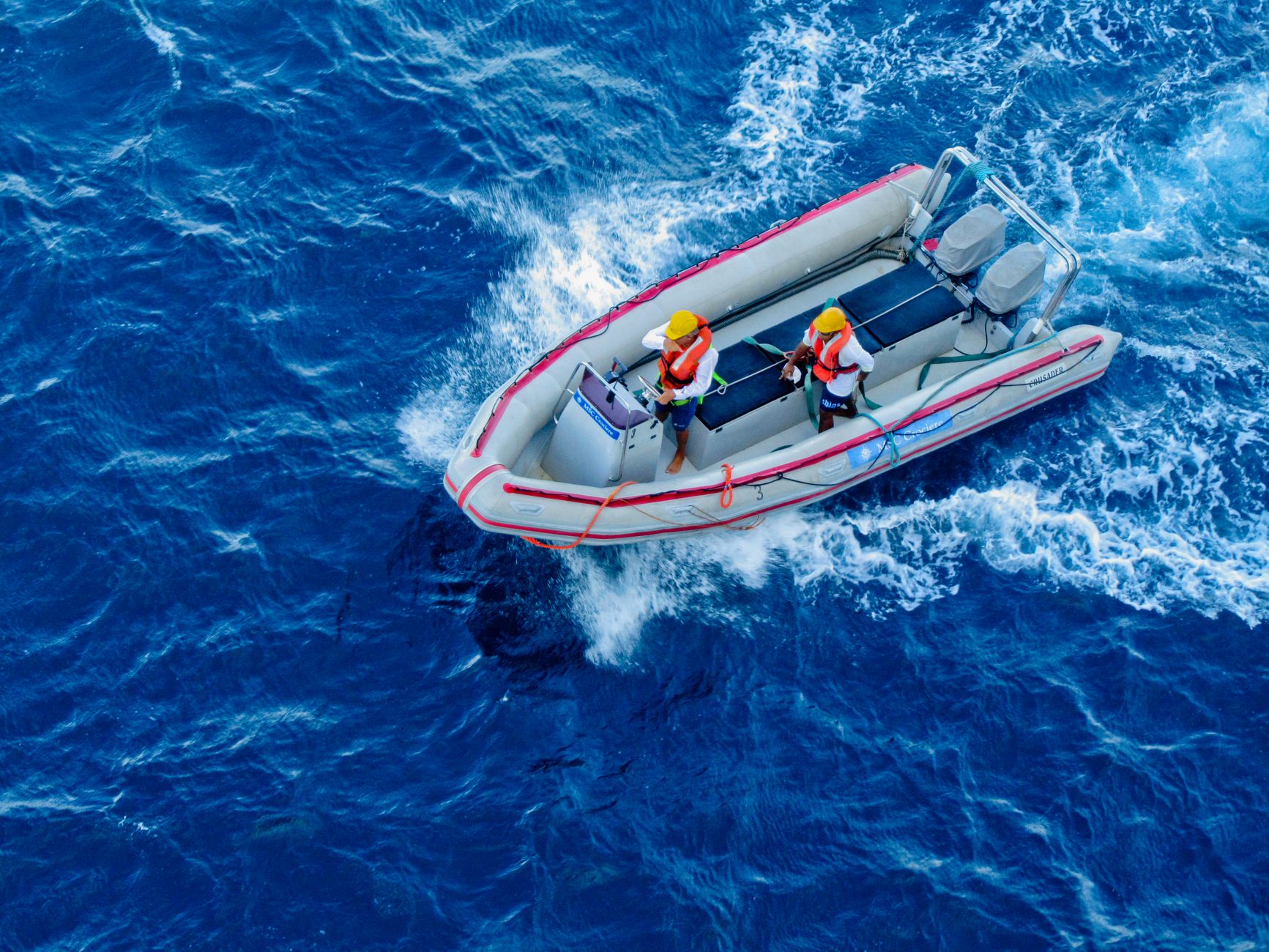
The Orion capsule touched down precisely at coordinates 32.7°N, 117.8°W, approximately 50 nautical miles west of San Diego, California. According to Reuters, this represents the most accurate deep space mission splashdown in NASA history, with the capsule landing within 2.3 kilometers of the targeted zone. Recovery operations began immediately with the USS Portland serving as the primary recovery vessel. The amphibious transport dock ship, measuring 684 feet in length, deployed specialized zodiac boats within minutes of splashdown to secure the floating capsule. Recovery divers from the Navy's Explosive Ordnance Disposal Mobile Unit 1 performed safety checks before crew extraction began.Weather Conditions and Backup Plans
Perfect Pacific conditions greeted the returning crew, with 8-knot winds from the west and 2-foot sea swells. NASA had prepared three backup splashdown zones along the California and Baja California coastlines, but ideal weather allowed for the primary recovery site to be utilized. The recovery timeline proceeded flawlessly: - 11:47 AM: Splashdown confirmed - 11:52 AM: Recovery boats deployed from USS Portland - 12:15 PM: Capsule secured and stabilized - 12:43 PM: Crew extraction begins - 1:28 PM: All four crew members aboard USS Portland - 2:15 PM: Medical evaluations completeTop 4 Artemis II Crew Members and Their Historic Roles
1. Commander Reid Wiseman
Reid Wiseman, 51, led the mission with over 165 days of previous spaceflight experience aboard the International Space Station. The former U.S. Navy test pilot commanded all critical mission phases, including lunar flyby maneuvers and Earth return trajectory corrections.2. Pilot Victor Glover
Victor Glover, 50, became the first African American astronaut to travel beyond Earth orbit. His role as pilot included managing Orion's complex navigation systems during the lunar gravity assist maneuver that slingshot the crew around the Moon's far side.3. Mission Specialist Christina Hammock Koch
Christina Koch, 47, holds the record for the longest single spaceflight by a woman at 328 days. During Artemis II, she conducted critical experiments testing deep space radiation exposure effects and lunar communication relay systems.4. Mission Specialist Jeremy Hansen (Canadian Space Agency)
Jeremy Hansen, 48, represents Canada's first astronaut to travel beyond Earth orbit. His participation strengthens international cooperation for future lunar base construction and reflects the Artemis Accords' multinational approach to space exploration."Looking back at Earth from lunar distance fundamentally changes your perspective on our planet's place in the universe. We're not just explorers returning home – we're ambassadors for all humanity's dreams of becoming a spacefaring civilization." - Commander Reid Wiseman during post-recovery press conference
Complete Artemis II Mission Timeline
Launch Phase (May 6, 2026): - 8:33 AM EDT: Launch from Kennedy Space Center Launch Complex 39B - 8:45 AM EDT: Second stage ignition, trans-lunar injection burn - 12:30 PM EDT: Orion separates from Interim Cryogenic Propulsion Stage Outbound Journey (May 7-10):- May 7: Course correction burn, crew sleep cycle adjustments
- May 8: Deep space navigation tests, communication relay checks
- May 9: Lunar approach phase begins, photography sessions
- May 10: Lunar gravity assist maneuver executed perfectly
- Communication blackout periods during far side passages
- Maximum distance from Earth: 432,000 kilometers
- Lunar photography and geological observation sessions
- Deep space radiation monitoring experiments
- May 13: Trans-Earth injection burn
- May 14-16: Course corrections, system checks
- May 17: Atmospheric entry, parachute deployment, splashdown
Advanced Recovery Procedures and Technology
NASA's Artemis recovery procedures represent a significant advancement over Apollo-era methods. The USS Portland's well deck design allows the entire Orion capsule to be hoisted aboard rather than requiring crew extraction at sea. This "ship-in-a-ship" approach reduces recovery time from hours to minutes and provides immediate medical facilities. Recovery technology improvements include:- Real-time crew biometric monitoring during descent
- GPS-guided recovery boat navigation systems
- Advanced flotation collar with integrated communication arrays
- Automated capsule orientation systems for stable crew extraction
- Mobile medical bay with deep space medicine specialists
How Artemis II Compares to Historic Apollo Missions
Artemis II's success builds directly upon lessons learned from the Apollo program while incorporating five decades of technological advancement. Key comparisons include: Mission Duration:- Apollo 8 (1968): 6 days, 3 hours
- Apollo 10 (1969): 8 days, 3 minutes
- Artemis II (2026): 11 days, 3 hours
What Artemis II Success Means for Moon Landing Plans
The flawless execution of Artemis II validates critical technologies needed for Artemis III, planned as the first crewed lunar landing since Apollo 17. Mission success confirms:- Orion life support system reliability for extended deep space operations
- Navigation accuracy required for precise lunar orbit insertion
- Heat shield performance during high-velocity atmospheric reentry
- Crew performance and health maintenance during lunar transit
Frequently Asked Questions
What is the Artemis II crew splashdown location?
The Artemis II crew splashed down in the Pacific Ocean approximately 50 nautical miles west of San Diego, California, at coordinates 32.7°N, 117.8°W on May 17, 2026.How long was the Artemis II mission duration?
The complete Artemis II mission lasted 11 days, 3 hours, and 22 minutes from launch on May 6 to splashdown on May 17, 2026.Is deep space travel safe for astronauts?
Artemis II demonstrates that deep space travel can be conducted safely with proper radiation shielding, life support systems, and mission planning. All four crew members returned in excellent health.Why is Artemis II important for future space exploration?
Artemis II proves that humans can safely travel to lunar distances, validating technologies and procedures essential for planned lunar base construction and eventual Mars missions.How does Artemis II compare to the Apollo missions?
Artemis II carried more crew for longer duration with advanced technology, international cooperation, and improved safety systems compared to 1960s Apollo missions. The successful splashdown of Artemis II represents more than a technical achievement – it marks humanity's confident return to deep space exploration after a 54-year hiatus. As the four crew members walked aboard the USS Portland, they carried with them not just scientific data and operational experience, but proof that the dream of becoming a multi-planetary species remains within our reach.Stay informed about space exploration breakthroughs and technological advancement with our complete tech coverage. For more aerospace industry analysis, explore our Artemis program timeline and future missions. Our NASA deep space technology guide provides technical insights into the systems that made this historic mission possible.
Related coverage includes our 2026 space exploration achievements and comprehensive analysis of commercial space industry developments. For complete mission updates and space news, visit our science and space exploration section.
Get Live Mission Updates