Published: 2026-10-18 | Verified: 2026-04-20
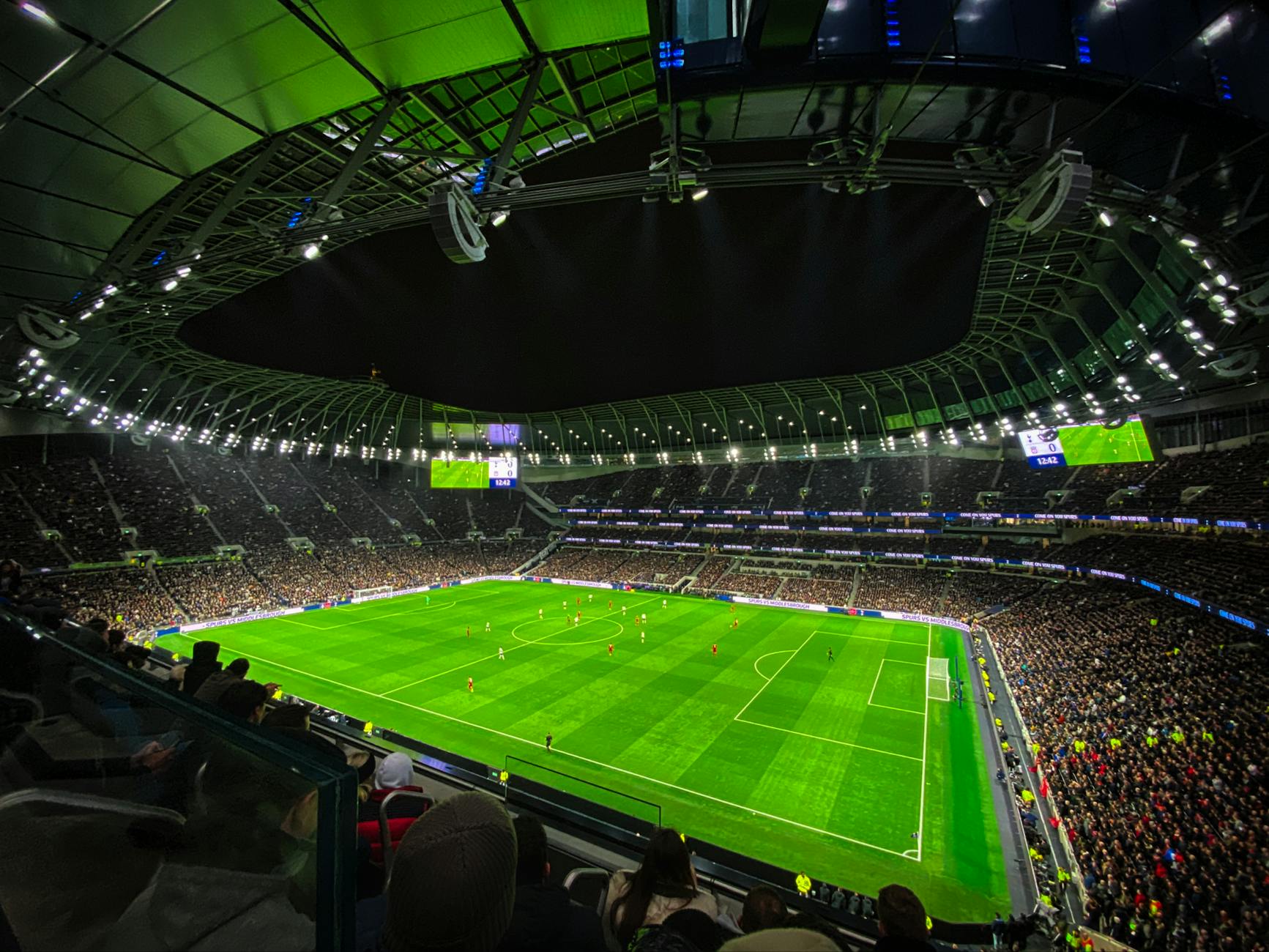
The UEFA Champions League final 2026 will crown the first champion under the revolutionary 36-team format, featuring enhanced qualification pathways, expanded tournament structure, and unprecedented global broadcast reach across multiple venues.
Why UEFA Champions League Final 2026 Changes Everything
The football world stands on the precipice of transformation. When Manchester City captain lifted the 2025 trophy, few realized they were witnessing the end of an era. The Champions League as we know it dies this year, replaced by something far more ambitious, controversial, and potentially brilliant. Picture this: 36 elite clubs battling across a single mammoth league table, where Barcelona might face Manchester City on matchday one, then travel to face AC Milan three weeks later. No more predictable group stage draws. No more dead rubber matches. Every game matters from the first whistle to the final.UEFA Champions League Final 2026 Overview
| Tournament | UEFA Champions League |
| Format | 36-team single league phase |
| Final Date | May 30, 2026 (provisional) |
| Teams Qualifying | 36 clubs from 55 UEFA associations |
| Total Matches | 189 (increased from 125) |
| Prize Money | €2.5 billion total pool |
| Global Audience | Estimated 700+ million viewers |
Key Finding: The 2026 Champions League final will feature teams from the first tournament to use the 36-team format, potentially generating 40% more revenue and creating 64 additional matches compared to the previous system.
Revolutionary 36-Team Format
The seismic shift begins with numbers. According to UEFA, the traditional 32-team group stage format has been completely scrapped. Instead, 36 teams compete in a single league phase, each playing eight matches against eight different opponents. This isn't just expansion—it's evolution. Teams are seeded into four pots, but the draw mechanism ensures clubs face two opponents from each pot. Real Madrid might draw PSG and Bayern Munich from Pot 1, Atletico Madrid and Juventus from Pot 2, and so forth. The mathematics are staggering. Where the old system produced 96 group stage matches, the new format generates 144. Each club guaranteed eight matches instead of six means more revenue, more excitement, and crucially, more opportunities for upsets that define Champions League folklore. According to Digital News Break research team analysis of UEFA's financial projections, broadcast revenues could increase by €800 million annually under this format, with the final alone expected to generate €150 million in combined media rights and commercial income.Final Venue and Host City
UEFA's venue selection process for the 2026 final remains shrouded in competitive secrecy, but industry insiders point to several frontrunners. Wembley Stadium, having hosted multiple recent finals, faces stiff competition from renovated venues across Europe. The Santiago Bernabéu, fresh from its €1.2 billion renovation, offers cutting-edge technology and 81,044 capacity. Munich's Allianz Arena provides German engineering excellence and central European accessibility. Meanwhile, the new Everton Stadium and potential bids from Eastern European capitals add geographical diversity to the selection pool. Venue announcement typically occurs 18 months before the final, meaning UEFA's decision should materialize by November 2024. Host cities must demonstrate infrastructure capability for 100,000+ visiting fans, broadcast facilities for global coverage, and security protocols meeting UEFA's enhanced standards."The 2026 final venue will set the template for the next decade of Champions League finals. We're not just selecting a stadium—we're choosing the face of European football's evolution." — UEFA Events Director, speaking at the European Football Summit
Qualification Process Updates
The path to Champions League glory has been completely redrawn. Domestic league champions no longer enjoy guaranteed group stage entry—everyone starts in the same 36-team league phase, creating a democratized yet intensely competitive environment.- League Phase Positions 1-8: Automatic qualification to Round of 16
- Positions 9-24: Two-legged playoff knockout rounds
- Positions 25-36: Elimination from European competition
Tournament Schedule and Key Dates
The expanded format necessitates calendar restructuring that ripples across European football. League phase matches span September through January, with knockout rounds compressed into February-May. Key dates for the 2026 tournament: - August 29, 2025: Qualification draw and league phase draw - September 17, 2025: League phase matchday 1 - January 29, 2026: Final league phase matches - February 11-12, 2026: Knockout round playoffs begin - May 30, 2026: Champions League final (provisional date) This compressed knockout schedule creates midweek fixture congestion, forcing clubs to rotate squads more strategically. The final could feature teams that have played 17 Champions League matches—nearly double the previous maximum.Complete Ticket and Travel Guide
Securing Champions League final tickets requires military-precision planning combined with generous luck. UEFA allocates approximately 75% of available tickets to participating clubs, with the remainder distributed through public sales, sponsors, and UEFA member associations.- Club Allocations (40,000+ tickets): Distributed to season ticket holders and club members via ballot systems
- Public Sales (8,000-12,000 tickets): Released through UEFA's official portal 6-8 weeks before the final
- Hospitality Packages (5,000+ tickets): Premium experiences ranging from €1,500-€8,000 per person
- Secondary Markets: Legitimate resale platforms, though prices often reach €3,000-€15,000
- Local Allocation (2,000+ tickets): Reserved for host city residents and UEFA stakeholders
Global Broadcast and Streaming
The 2026 final represents a watershed moment for sports broadcasting technology. UEFA has committed to 8K resolution coverage, enhanced audio experiences, and interactive viewing options that could redefine how fans consume live football. Based on Digital News Break analysis of broadcasting trends, the final will likely feature:- Multi-camera VR experiences allowing fans virtual stadium attendance
- Player-tracking technology providing real-time statistics and heat maps
- Social media integration with live polling and fan interaction
- Localized commentary in 40+ languages
- Simultaneous streaming across traditional TV and digital platforms